Why a Radon Reduction System Matters for Your Home's Safety
When I bought my first house in St. Louis, I was more worried about the furnace and the roof than what was lurking in the basement. A friend who worked in environmental health suggested I test for radon, and I brushed it off. That was until my test kit came back with a reading above four picocuries per liter, the level where the EPA recommends action. That number changed how I thought about indoor air quality. It also led me to understand why a properly designed radon reduction system is not something to cut corners on.
Radon is a naturally occurring radioactive gas that comes from the decay of uranium in soil. It moves up through the ground and into your home through cracks, gaps around pipes, and even through the concrete slab itself. The only way to know your exposure is to test. Short-term tests give a snapshot, while continuous radon monitors can track levels day by day. The EPA and the American Lung Association have been clear for years: radon is the second leading cause of lung cancer after smoking. That is not a statistic to ignore.
What a Radon Reduction System Actually Does
At its simplest, a radon reduction system works by creating a pressure difference that keeps soil gas from entering the living space. The most common method is active soil depressurization. A fan installed in the attic or outside pulls air from beneath the slab and vents it safely above the roofline. This is often called sub-slab depressurization, and it is the method most recommended by the EPA for homes with a basement or slab foundation. The goal is not just to lower radon levels but to keep them low consistently.
A radon reduction system is more than just a fan and some pipe. It includes a network of components that must work together. A manometer, which is a simple U-tube gauge, lets you see at a glance whether the fan is drawing a vacuum. If the fluid levels are equal, the system is not running properly. A fan monitoring device can alert you to a failure before you have time to worry. The suction point itself matters: a sump pump location or a dedicated suction pit dug into the gravel beneath the slab can make the difference between a system that pulls air evenly and one that leaves dead zones.
I have seen houses where homeowners tried to install a system themselves using a bathroom fan and dryer duct. It did not work. The fan was not rated for continuous operation, and the seal around the pipe was done with duct tape instead of proper sealant like polyurethane caulk. Within months, the radon levels were back up. A professional installation uses durable materials like PVC pipe, a fan designed for radon mitigation (RadonAway is a common brand), and careful sealing of every crack and joint in the floor. That sealant work is tedious but critical. Even a small gap can let in enough soil gas to defeat the whole system.
Post-Mitigation Verification Is Not Optional
Once the system is installed, the work is not done. Post-mitigation verification testing is the only way to know the system is working as intended. The EPA recommends testing within 30 days of installation and then every two years after that. Some companies, like Air Sense Environmental in St. Louis, include this testing as part of their service. They will also check the manometer and the fan monitoring device during the visit. A mitigation guarantee often covers a certain period, but only if you maintain the system and test regularly.
I remember talking to a homeowner in Kirkwood who had a system installed but never tested after the first year. He assumed it was still working because he could hear the fan running. When I checked his manometer, the fluid was level. The fan was spinning but the pipe had developed a leak where it passed through the foundation. That leak was letting the vacuum escape, and the radon levels had climbed back to near pre-installation levels. A simple fan monitoring device with an audible alarm would have caught that problem sooner.
Choosing the Right Approach for Your Home
Not every home needs the same kind of system. A house built on a crawlspace might use a different approach, like sealing the crawlspace floor and venting from the soil. Homes with multiple slabs or additions may need more than one suction point. That is where a professional assessment becomes valuable. A good contractor will use a radon test kit or a continuous radon monitor to map the problem before deciding where to pull suction. They will also look at the home's construction: how the concrete was poured, whether there is a vapor barrier under the slab, and where the plumbing penetrations are.
In new construction, radon-resistant construction techniques can be built in from the start. That usually includes a layer of clean gravel or stone under the slab, a vapor barrier, and a sealed sump or pipe stub that can later be connected to a fan. This approach is much cheaper than retrofitting, but it still requires post-mitigation verification to confirm the system works. The Missouri Department of Health offers guidelines for builders, and some counties in the St. Louis area now require radon-resistant features in new homes.
Components That Matter and Why
The quality of the components in a radon reduction system directly affects its lifespan and reliability. Here are a few that I have found make a real difference:
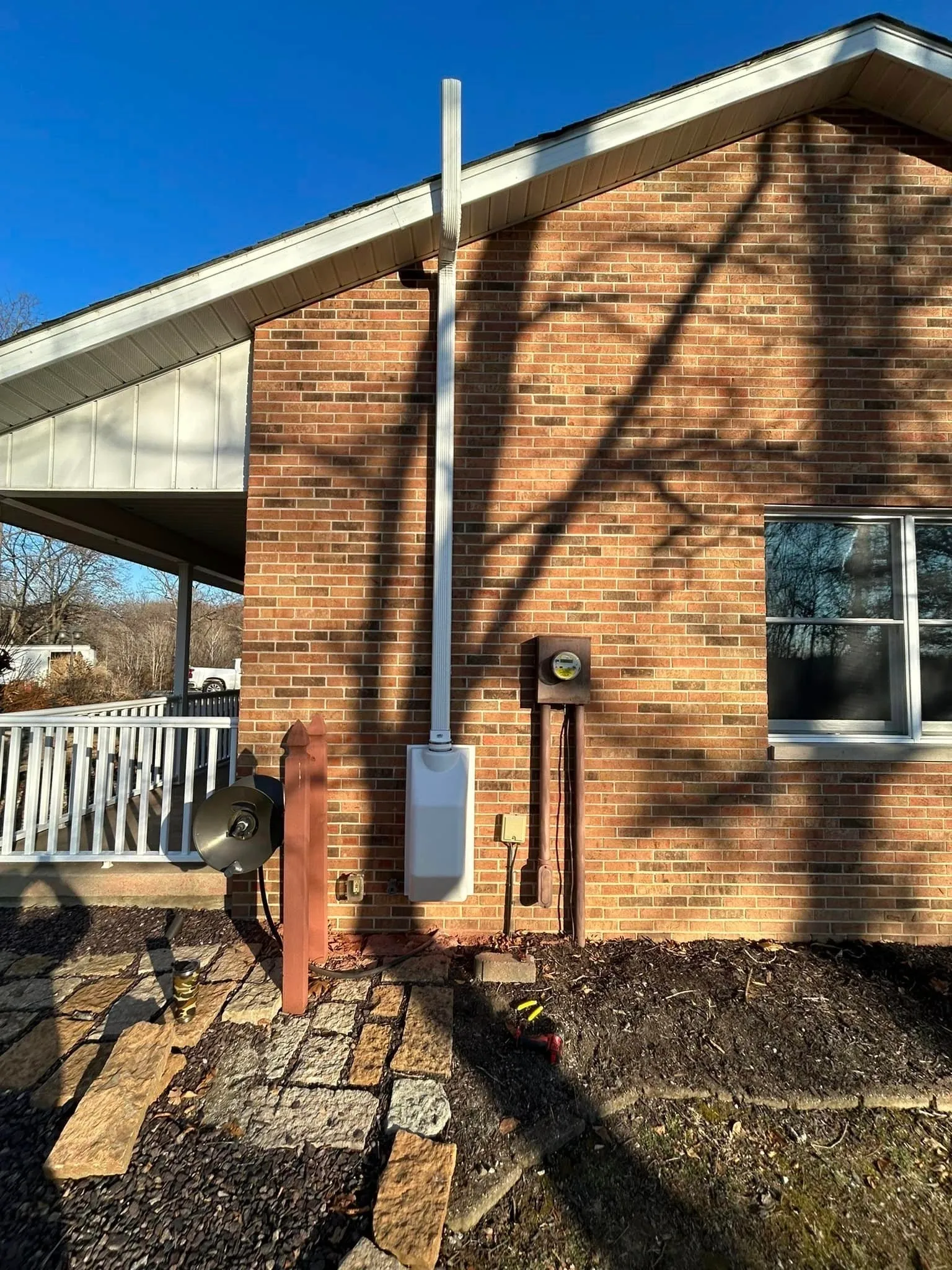
- Fan: A fan like those from RadonAway is built for continuous duty and low noise. Cheaper fans burn out or lose efficiency.
- Manometer: This small gauge tells you if the system is running. Without it, you have no way to know unless you test the radon level again.
- Sealant: Polyurethane caulk stays flexible and bonds well to concrete and PVC. It beats silicone or caulk that dries brittle.
- Suction pit: A properly dug pit under the slab gives the fan room to pull air from a wider area, improving coverage.
- Fan monitoring device: An alarm or indicator that lets you know if the fan stops or loses power.
Each of these components serves a purpose. Skip one, and the system becomes less reliable. The phrase "you get what you pay for" applies directly here. A cheap system might save you a few hundred dollars upfront but cost you peace of mind and potentially your health in the long run.
Long-Term Maintenance and Realistic Expectations
No radon reduction system runs forever without attention. Fans wear out after ten to fifteen years. The sealant around the pipe can crack over time, especially if the foundation settles. The manometer should be checked every few months, just like you would check your furnace filter or smoke detector battery. If the fluid level in the manometer drops to equal, call a professional to inspect the system.
I have also seen cases where homeowners thought the system was not working because their short-term test showed a spike. Radon levels fluctuate with weather, barometric pressure, and how much the house is ventilated. A continuous radon monitor can show you the average over weeks, which is more meaningful than a single reading. If the system is running and the manometer shows a good vacuum, a temporary spike is usually not cause for alarm. But if the average over a month is above the EPA action level, then something is wrong.
The American Lung Association recommends that every home be tested for radon, regardless of where you live. In St. Louis, the geology is such that many homes have the potential for elevated levels. The Missouri Department of Health and local resources like Air Sense Environmental can help homeowners understand their risk. But the responsibility ultimately falls on the homeowner to test, install a system if needed, and maintain it.
When I finally had a radon reduction system installed in my own home, the difference was immediate. My continuous radon monitor dropped from an average of 5.2 pCi/L to 1.1 pCi/L within a week. The manometer on the pipe shows a steady vacuum, and I check it every time I go into the basement. That small habit gives me confidence that the system is doing its job. And every two years, I run a new test kit to confirm nothing has changed.
Radon is invisible, odorless, and tasteless. You cannot see it or smell it, but it can affect your health over years of exposure. A radon reduction system is the single most effective way to protect your household from that risk. It is not a luxury or an unnecessary expense. It is a piece of home infrastructure that deserves the same attention as your heating system or your roof. With the right components, professional installation, and regular monitoring, you can keep your indoor air safe for the long term.